1. The Sprint Illusion
We live in an age obsessed with speed.
Our phones promise instant delivery, social media celebrates overnight fame, and every headline seems to scream about someone who “made it” in record time.
It’s easy to believe that success must come fast—or not at all.
But anyone who’s lived long enough knows that meaningful growth doesn’t work that way.
The truth is, life is not a 100-meter dash.
It’s a marathon.
When I first began my professional journey, I wanted results immediately—more clients, more recognition, more visible impact. I mistook activity for achievement. My calendar was full, but my soul was empty. It took years of reflection (and a few bruises) to realize that lasting success comes not from running faster, but from learning how to run farther.
2. The Difference Between Pace and Purpose
In a sprint, your only goal is to reach the finish line before everyone else. In a marathon, the finish line matters—but so does the journey between starts and finishes. You pace yourself; you breathe differently; you think differently.
The “marathon mindset” is about purposeful endurance—knowing why you are running and what kind of person you are becoming along the way.
Purpose gives pace. Without it, even achievement feels hollow.
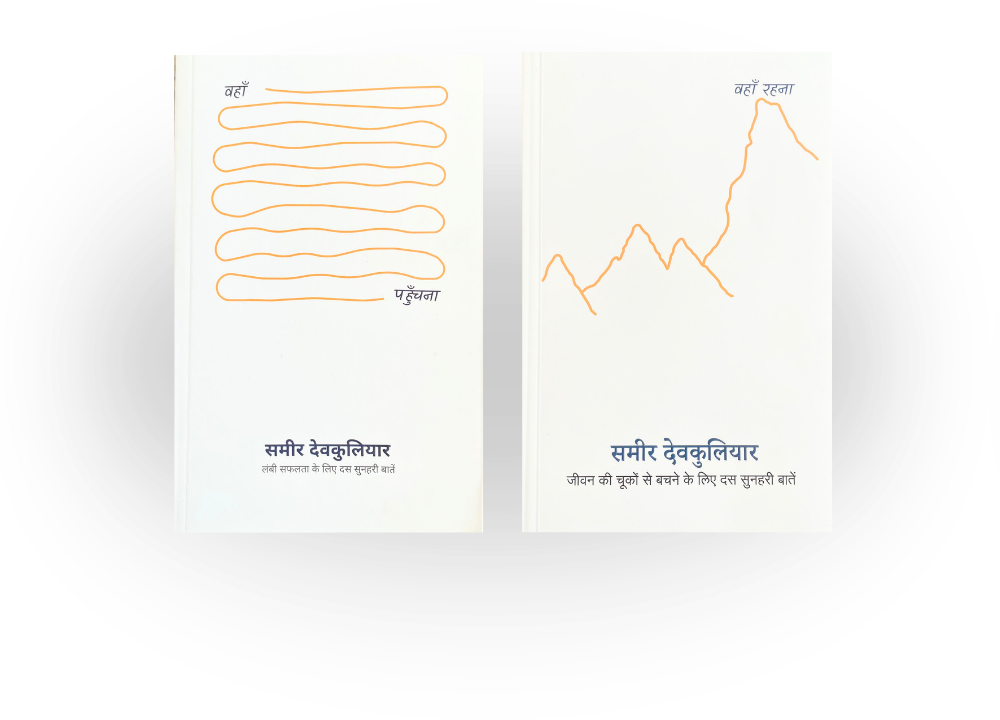
As I wrote in Getting There, we are not called to be busy, but to fulfill a purpose.
When you align pace with purpose, you stop comparing yourself to others. You measure progress not in speed but in alignment—how closely your actions mirror your values.
Reflection Prompt:
What are you running toward—and does it truly align with who you are becoming?
3. Lessons from the Track
I once met a young executive who reminded me of my younger self—talented, driven, and perpetually exhausted. “I’m burning out,” he confessed. “But if I slow down, I’ll fall behind.”
I asked him a simple question: “Behind whom?”
He paused. He had no answer.
Many of us live like that—competing in races we never meant to enter, chasing trophies that don’t belong to us. The marathon mindset invites us to step off the treadmill of comparison and instead build endurance around the things that matter most: integrity, relationships, and inner growth.
Endurance is built, not born. No one wakes up resilient. You strengthen your endurance by stretching it—just enough to grow, not enough to break.
Think of any world-class athlete. They don’t train for speed alone; they train for consistency—steady performance across varying terrain. Life demands the same.
4. Why Endurance Beats Intensity
The problem with “hustle culture” is that it glorifies intensity but ignores sustainability. Anyone can sprint for a week. Few can run for decades.
Intensity is impressive. Endurance is transformative.
Endurance is what keeps a teacher inspiring students year after year.
It’s what helps a small business owner rebuild after a loss.
It’s what allows a parent to keep showing up with love, even when unseen or unthanked.
In every field, it’s not the fastest but the most faithful who finish well.
As the psychologist Angela Duckworth notes in her research on “grit,” success is often the blend of passion and perseverance. Talent gets you started; endurance gets you there.
Takeaway:
Burnout isn’t proof of commitment. Balance is. Sustainability is the new strength.
5. The Power of Small, Consistent Steps
There’s an African proverb that says, “If you want to go fast, go alone; if you want to go far, go together.”
I’d add: If you want to go long, go steady.
Many people fail not because their goals are too ambitious, but because their rhythm is unsustainable.
When I coach leaders, I often ask them to write down one habit they could practice daily for 30 days—just one small thing that moves them toward their purpose. A few weeks later, the most common feedback I hear is, “That one habit changed my entire mindset.”
Why? Because discipline builds momentum.
And momentum, sustained over time, becomes mastery.
Whether you’re writing a book, leading a team, or nurturing a family, your success will depend more on your stamina than your speed.
The runner who keeps a consistent pace eventually overtakes the one who sprints and stops.
Reflection Prompt:
What daily practice can help you build endurance toward your purpose?
6. When the Road Gets Hard
Every marathoner knows the infamous moment around mile 20—the “wall.”
That’s when the body screams to stop, the mind begins to doubt, and everything in you whispers, “It’s not worth it.”
Life has those walls too: failed ventures, betrayals, disappointments, losses.
I’ve hit several.
Years ago, when my company was struggling, I questioned whether I was cut out for leadership. There were days when resilience felt impossible. Yet, looking back, those valleys became classrooms. They taught me humility, dependence, and the power of persistence.
Resilience doesn’t mean never falling. It means refusing to stay down.
As John C. Maxwell writes, “Adversity introduces a man to himself.”
Each challenge reveals what we truly value—and strengthens the muscles of endurance for the miles ahead.
Practical Step:
Keep a “Resilience Journal.” After each setback, note what you learned, how you adapted, and how you grew. Over time, you’ll see patterns of progress even in pain.
7. Rest Is Part of the Race
The greatest marathoners understand the rhythm of effort and rest. Recovery is not laziness; it’s wisdom.
In our performance-driven world, rest feels like a guilty pleasure. But without rest, endurance collapses into exhaustion.
Even nature understands this rhythm—tides withdraw, trees shed leaves, and hearts beat in alternating contractions and pauses.
In leadership, rest looks like reflection, renewal, and recalibration.
In personal growth, it looks like stillness—pausing long enough to hear your own heartbeat again.
If you never stop to breathe, you’ll never have the stamina to go the distance.
Quote to Remember:
“Rest is not the absence of work; it’s the presence of restoration.”
8. The Long Game of Integrity
Sprinting often tempts us to cut corners. Endurance requires integrity.
When you run the long race, every shortcut becomes a setback. I’ve seen brilliant people lose credibility not because they lacked talent but because they sacrificed character for convenience.
Integrity may seem slow—but it compounds.
Trust, reputation, and credibility are built over time, like miles on the road.
In Getting There, I wrote, “Trust has two components: character and competence.”
Integrity nourishes both. It ensures that when success comes, it can last.
So, if you ever have to choose between doing it fast and doing it right, choose right. The long route always pays better dividends.
9. The Joy of the Journey
A marathoner learns to enjoy the run itself—the rhythm of breathing, the camaraderie of fellow runners, the beauty of each mile marker.
Likewise, the marathon mindset invites us to savor the process.
Celebrate small wins. Learn from detours. Find joy in growth itself.
Because the goal of life isn’t merely to finish—it’s to flourish while running.
When we focus only on the finish line, we miss the transformation that happens along the way.
So, instead of asking, “How far am I from success?” ask, “How much have I grown since I began?”
10. Run Your Race Well
Maybe you’re in a season where progress feels painfully slow.
Maybe you’ve compared your Chapter 2 to someone else’s Chapter 20.
Pause. Breathe. Re-center.
Remember: speed impresses, but endurance impacts.
You don’t have to outrun anyone.
You simply have to keep running your race—with purpose, integrity, and grace.
As I often tell leaders I coach, “Success is not about getting there first; it’s about getting there fulfilled.”
Your journey is your own marathon. Run it well.
Reflect & Act (Worksheet Section)
- Reflect: What “sprints” in your life are draining you without true direction?
- Reframe: How can you adjust your pace to align with long-term purpose?
- Respond: Choose one area this week where you will slow down intentionally—to think, breathe, or rest.
Closing Thoughts
Endurance is not glamorous, but it is golden.
It is what separates those who fade from those who finish.
So keep showing up. Keep refining your pace. Keep believing that the small steps, faithfully taken, will one day add up to something extraordinary.
Because success—real, meaningful, soul-deep success—isn’t about how quickly you arrive.
It’s about how well you keep going.
Run your marathon. You’ll get there.